Recover Boat Seats in Miami for Professional Upholstery Results That Last
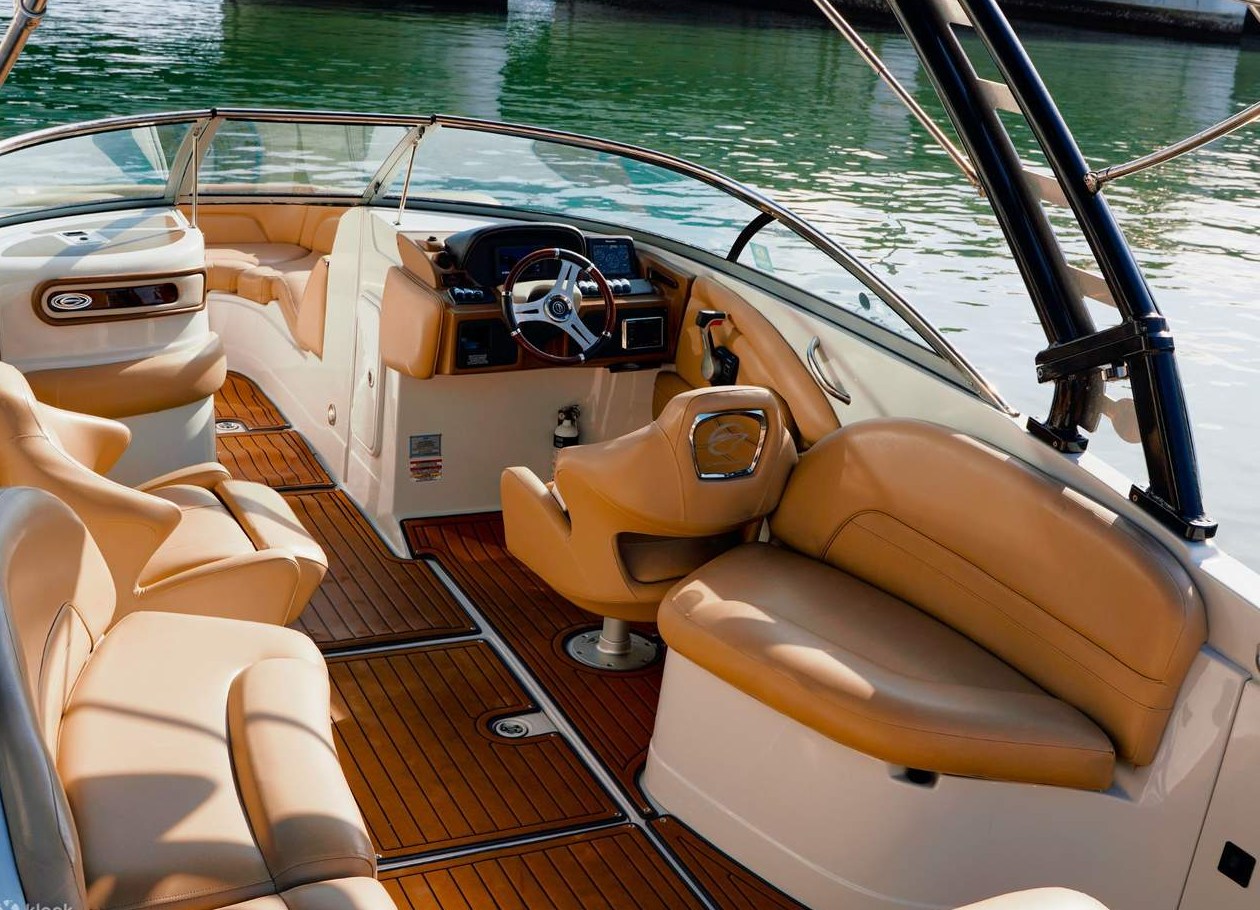
Boat upholstery plays a critical role in both comfort and durability, especially in a coastal city like Miami. Constant exposure to sun, saltwater, and humidity quickly affects marine seating, leading to fading, cracking, and reduced support. Because of this, many boat owners choose to recover boat seats instead of replacing entire seating systems. If you want a clean and reliable result, you can also recover boat seats by reaching out to specialists here.
Table of Contents
Why upholstery restoration matters
Marine seating is built to handle harsh conditions, but even high quality materials wear down over time. When surfaces begin to deteriorate, they not only look worn but also lose functionality.
Recovering seats allows you to restore both structure and appearance without unnecessary replacement. This process focuses on improving the condition of the seat while preserving its original base, which makes it a cost effective solution for many boat owners.
Signs your boat seats need attention
Recognizing early signs of wear helps prevent more serious damage. In many cases, timely repairs make it easier to recover boat seats without extensive reconstruction.
Look for the following issues:
- visible cracks or peeling on the surface
- fading caused by prolonged UV exposure
- soft or uneven cushioning
- loose seams or stretched material
- moisture related odors or mildew
Addressing these problems early allows for a smoother and more efficient restoration process.
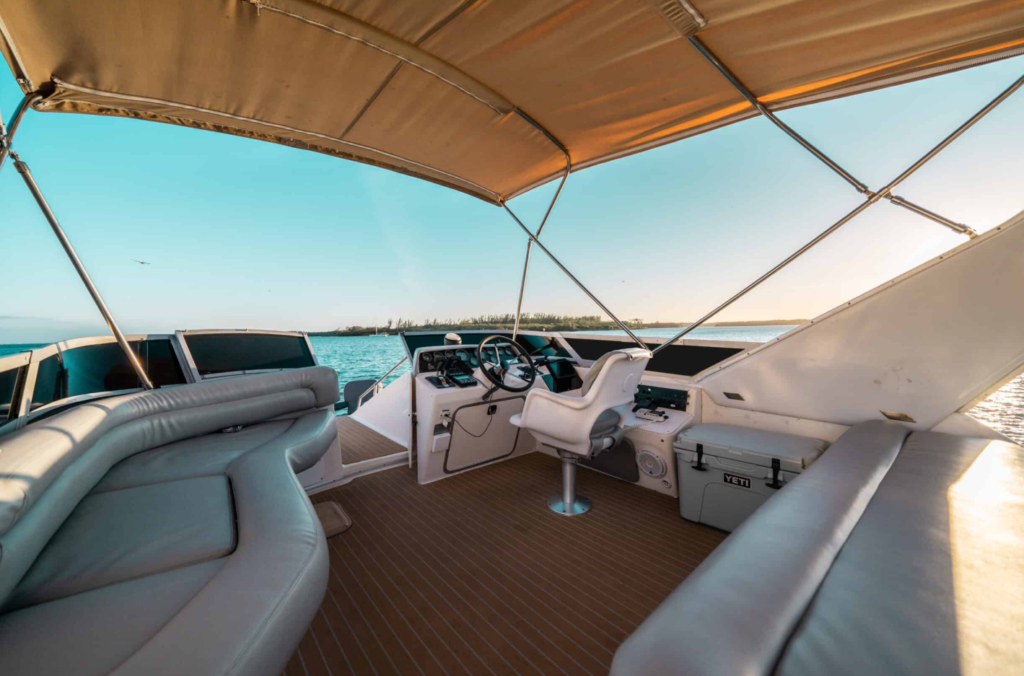
Materials used in modern marine upholstery
Today’s marine upholstery materials are designed to handle demanding environments. When professionals recover boat seats, they typically use fabrics and finishes that provide both durability and comfort.
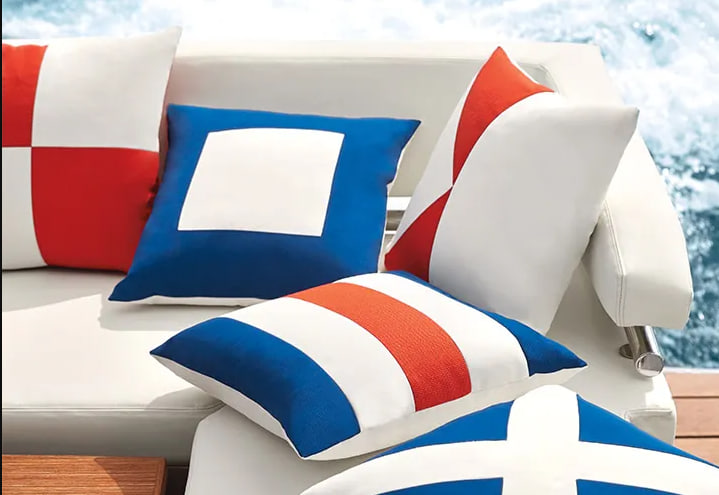
Common options include marine vinyl, which offers strong resistance to water and UV exposure, and woven acrylic fabrics that provide a softer feel while maintaining performance. Some boat owners also choose advanced synthetic materials that combine flexibility with long term durability.
Selecting the right material depends on how the boat is used and the level of maintenance the owner prefers.
The professional recovery process
A proper upholstery job involves more than simply replacing fabric. When specialists recover boat seats, they follow a structured process to ensure lasting results.
The process usually includes:
- removing the old material carefully
- inspecting and repairing the seat base if needed
- replacing or reshaping foam for better support
- cutting and fitting new material precisely
- securing and finishing seams for a smooth surface
Each step contributes to the overall quality of the result. Skipping or rushing any part of the process can lead to uneven surfaces or reduced durability.
Benefits of restoring instead of replacing
Choosing to recover boat seats offers several advantages beyond appearance. It allows boat owners to extend the life of their existing seating while improving comfort and usability.
Restoration also helps maintain the original layout of the boat, which can be important for both functionality and design. Additionally, it often requires less time and investment compared to full replacement, making it a practical option for many situations.
Maintenance after upholstery work
Once the seats are restored, proper care helps maintain their condition. Even the best materials require regular attention in a marine environment.
Basic maintenance includes rinsing seats with fresh water after use, cleaning with mild products, and allowing surfaces to dry completely. When possible, covering seating areas can reduce direct exposure to sunlight and extend the lifespan of the materials.
By following these steps, boat owners can reduce the frequency at which they need to recover boat seats and keep their interiors looking consistent over time.
In a city like Miami, where boats are used regularly, maintaining upholstery is essential for both comfort and performance. A professional approach to seat recovery ensures that your boat remains functional, visually appealing, and ready for everyday use.
More interesting articles you can explore here.


Post Comment