Boat Painting: Protecting Your Hull From Sun, Salt, and Daily Wear
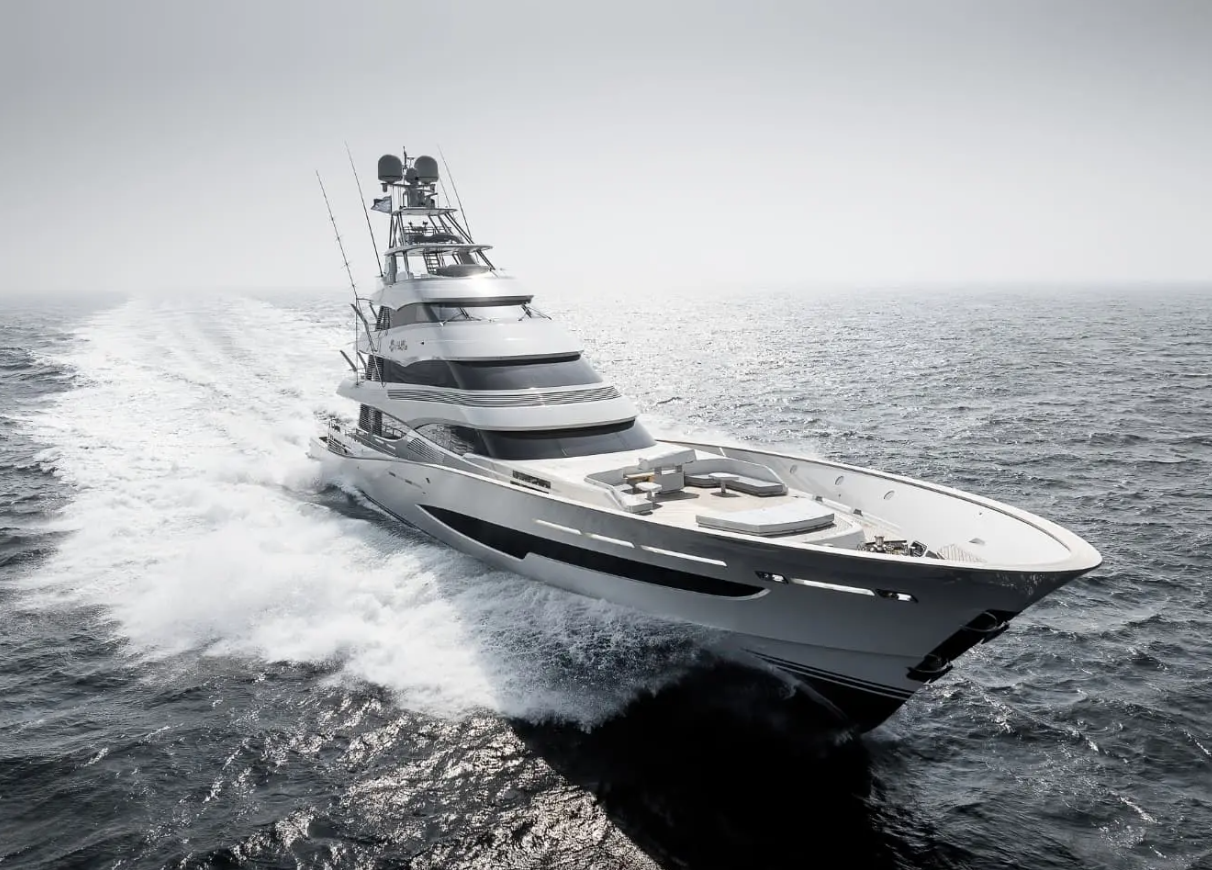
A boat’s exterior faces demanding conditions every time it leaves the dock. Sunlight, saltwater, humidity, temperature changes, and contact with marine debris can gradually affect the hull’s appearance and protective surface. Regular washing helps, but an aging or damaged coating may eventually need more attention. Boat Work Times helps boat owners with marine repair and maintenance needs, while professional boat painting can provide both a refreshed appearance and an additional layer of protection for the vessel.
Table of Contents
Sunlight Can Gradually Damage the Exterior
UV exposure is one of the biggest challenges for boats that spend significant time outdoors. Constant sunlight can contribute to fading, oxidation, chalking, and deterioration of exterior finishes.
Older surfaces may lose their original gloss and develop a dull appearance. In some cases, oxidation becomes so noticeable that routine washing no longer restores the original finish.
A new coating can help protect the underlying surface from continued environmental exposure. However, the existing finish should be evaluated first to determine whether cleaning, restoration, or more extensive preparation is required.
Saltwater Leaves More Than Visible Residue
Salt deposits can accumulate on the hull, especially when a boat operates in coastal waters. If they are not removed regularly, salt and other contaminants can contribute to surface deterioration.
Owners should rinse the boat after saltwater use and pay particular attention to areas around fittings, rails, hardware, and the waterline.
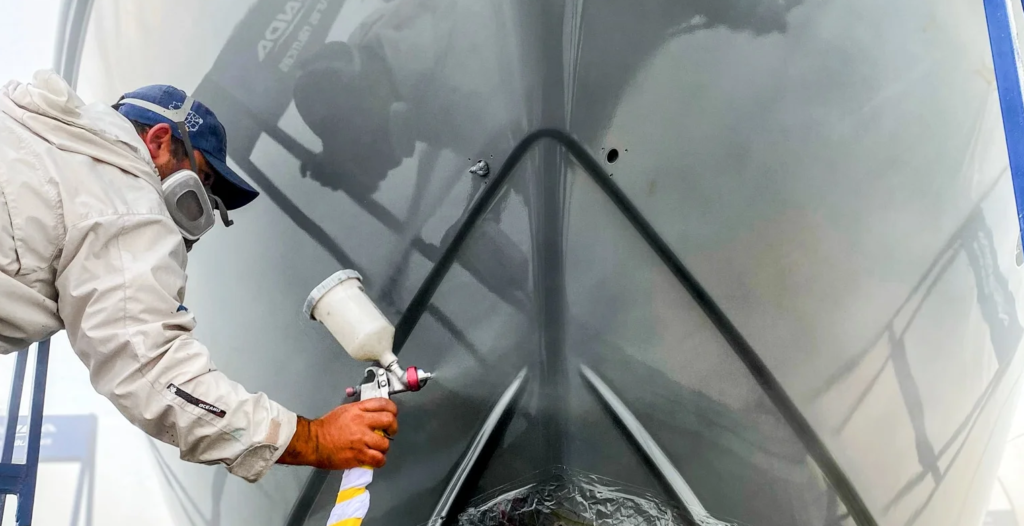
Before boat painting begins, accumulated contamination must be removed thoroughly. Painting over salt, dirt, wax, or other contaminants can interfere with adhesion and reduce the durability of the new coating.
Oxidation Can Change the Appearance of Fiberglass
Fiberglass hulls can develop oxidation as their exterior finish ages. The surface may become faded, chalky, or rough to the touch.
The severity of oxidation determines how much preparation is needed. Light oxidation may respond to cleaning and surface restoration, while heavily deteriorated finishes may require sanding and refinishing.
Painting over a heavily oxidized surface without adequate preparation can produce an uneven result. The old surface needs to be stabilized and properly prepared before a new coating system is applied.
Scratches Can Become More Noticeable Over Time
Minor scratches are a normal part of boat ownership. Docking, trailer use, contact with equipment, and floating debris can all leave marks on the hull.
Not every scratch requires a complete refinish, but deeper damage should be evaluated. A scratch that reaches through the protective surface may expose underlying material to moisture and environmental conditions.
Before boat painting, technicians can identify which areas require repair and which imperfections can be corrected during surface preparation.
The Waterline Deserves Extra Attention
The waterline experiences a unique combination of moisture, sunlight, marine growth, and repeated exposure to contaminants.
Discoloration or buildup in this area can become especially noticeable on lighter-colored hulls. The surface may also require more frequent cleaning than areas that remain above the water.
A professional inspection should include the waterline when evaluating the overall condition of the hull. Any damaged coating or surface defect should be addressed before the final finish is applied.
Hardware Can Affect the Surrounding Finish
Deck hardware and hull fittings can create areas where moisture and contaminants collect. Loose or poorly sealed hardware may also allow water to reach the surrounding surface.
Before refinishing the exterior, owners should inspect:
- Cleats
- Rails
- Ladders
- Through-hull fittings
- Trim pieces
- Lights
- Access covers
If a fitting is loose or its seal has deteriorated, the issue should be corrected before the surrounding surface is refinished.
Otherwise, water intrusion or movement could damage the new finish.
Proper Preparation Determines the Final Result
A high-quality coating cannot compensate for poor preparation. The surface needs to be clean, stable, and free from contaminants before the first layer is applied.
Preparation may include washing, degreasing, sanding, fairing damaged areas, repairing fiberglass, and applying the appropriate primer.
Each step contributes to the final appearance and durability. In particular, sanding helps create a surface that allows the coating system to bond properly.
Marine Conditions Require Suitable Materials
Boat exteriors need coatings designed for marine environments. Household paints and unsuitable automotive products may not provide the combination of adhesion, flexibility, UV resistance, and water resistance required for a boat.
The appropriate product depends on the hull material, existing finish, intended use, and environmental exposure.
Professional boat painting should therefore involve more than choosing a color. The complete coating system should be selected with the vessel’s operating conditions in mind.
A New Finish Does Not Eliminate Maintenance
Even a professionally refinished hull needs regular care. Washing away salt, dirt, and other contaminants helps preserve the appearance of the coating.
Owners should also inspect the surface periodically for new scratches, chips, peeling, or discoloration. Addressing small defects early can prevent them from becoming larger restoration problems.
Proper storage also matters. Protecting the boat from unnecessary UV exposure and keeping the surface clean can help extend the useful life of the finish.
When Is It Time to Refinish the Hull?
There is no single schedule that applies to every boat. The condition of the existing surface matters more than the age of the coating alone.
Signs that a hull may need professional attention include:
- Persistent oxidation
- Significant fading
- Peeling or failing coating
- Deep scratches
- Extensive surface deterioration
- Repeated staining
- Previous repairs that are clearly visible
An inspection can determine whether the boat needs polishing, localized repairs, or a complete refinishing process.
Final Thoughts
A boat’s exterior does more than create its visual identity. The surface also helps protect the underlying structure from demanding marine conditions.
Sunlight, saltwater, moisture, scratches, and oxidation can gradually reduce the condition of the finish. Proper preparation and professional boat painting can restore the appearance of an aging hull while providing a coating system designed for marine exposure.
Regular cleaning and timely maintenance then help preserve the results and keep the vessel looking ready for many more seasons on the water.
For more useful articles about boat painting, fiberglass repair, marine maintenance, electrical systems, engines, and other boating services, you can find them here.

Post Comment