Boat Plumbing Repair: How to Find Hidden Problems in Marine Water Systems
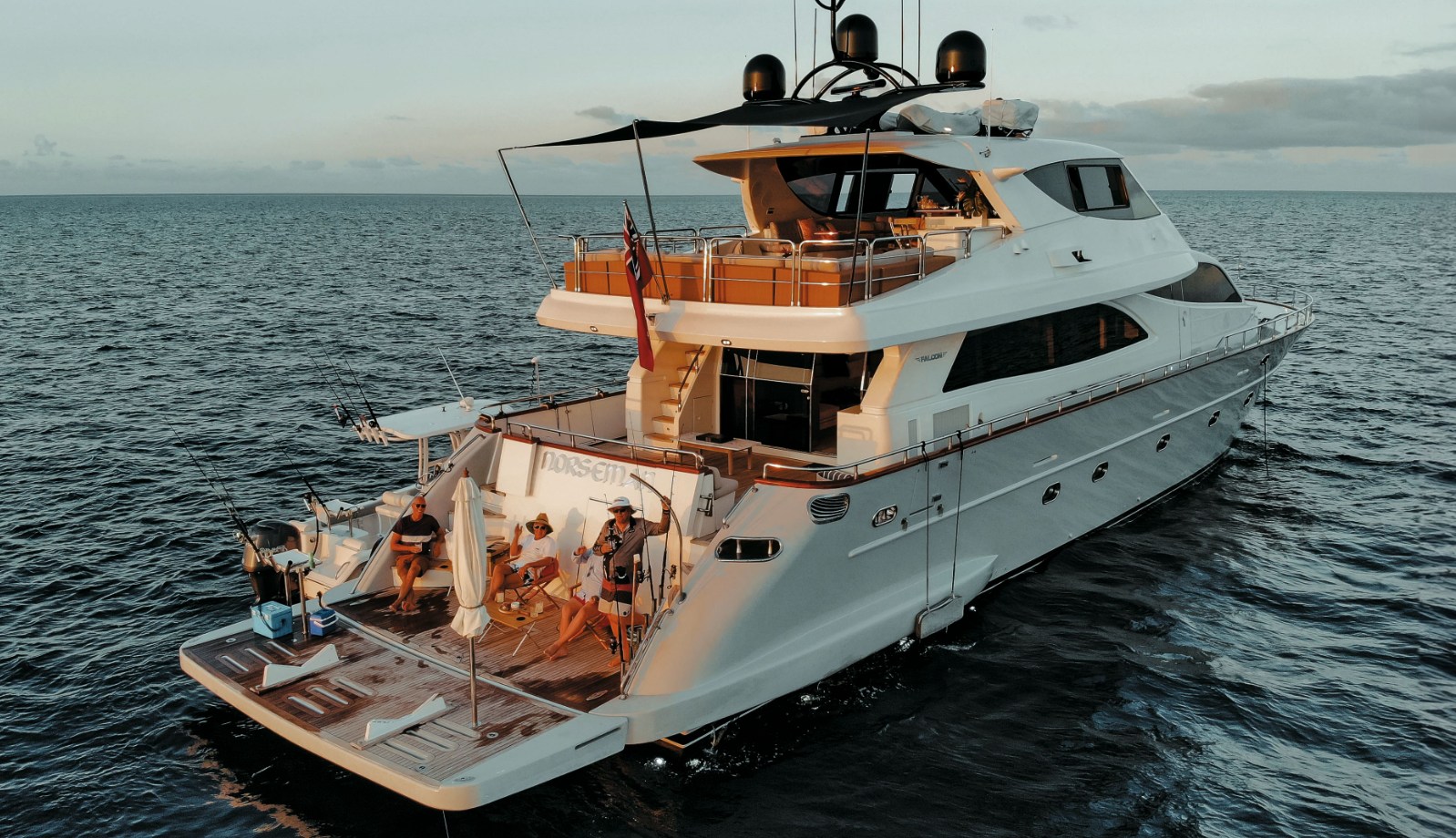
A boat’s water system can continue working even when a problem is developing somewhere behind a panel, under a floor, or inside a storage compartment. Small leaks, inconsistent pressure, and unusual pump activity can all indicate that something needs attention. Boat Work Times helps boat owners address a range of marine repair needs, including professional boat plumbing repair when water system problems become difficult to diagnose.
Table of Contents
Small Plumbing Problems Can Be Difficult to Notice
Marine plumbing is often installed in areas that are not easy to access. Hoses may run beneath seating, through cabinets, or behind interior panels. Because of this, a small leak may remain unnoticed until surrounding materials begin showing signs of moisture.
Boat owners should pay attention to changes such as:
- Damp areas around plumbing components
- Unexpected water inside storage compartments
- Musty odors
- Reduced water pressure
- Pumps activating without a faucet being opened
- Water appearing around fittings
- Unusual sounds from pumps
These symptoms do not always identify the exact source, but they can indicate that the system deserves closer inspection.
A Pump That Runs Too Often Can Reveal a Leak
One of the most useful warning signs is frequent freshwater pump activation.
Under normal conditions, the pump should build pressure and then stop when the system reaches its operating pressure. If it repeatedly turns on while faucets and showers are closed, water may be escaping somewhere.
The cause could be a leaking fitting, damaged hose, faulty valve, or another component that is allowing pressure to drop.
Instead of immediately replacing the pump, technicians can inspect the system for the source of the pressure loss. This type of diagnosis is an important part of boat plumbing repair because replacing a pump will not solve an underlying leak.
Pressure Changes Can Point to Different Problems
Water pressure that suddenly becomes weak can make showers and faucets difficult to use. However, low pressure does not automatically mean that the pump has failed.
Other possible causes include:
- Clogged filters
- Restricted hoses
- Low tank water level
- Damaged pump components
- Blocked fittings
- Electrical problems affecting pump operation
A complete inspection can help separate these possibilities. Checking the pump, water supply, filters, hoses, and electrical connections together can provide a clearer picture of what is happening.
Valves and Fittings Deserve Attention
Valves control water flow throughout many marine systems, while fittings connect different sections of hose or piping.
These components can become worn or damaged over time. Repeated vibration may also place additional stress on connections.
A fitting that looks acceptable from the outside can still develop a slow leak. Similarly, a valve may begin restricting flow or fail to close properly.
During boat plumbing repair, technicians may inspect these smaller components because a relatively inexpensive fitting or valve can sometimes be responsible for a larger system problem.
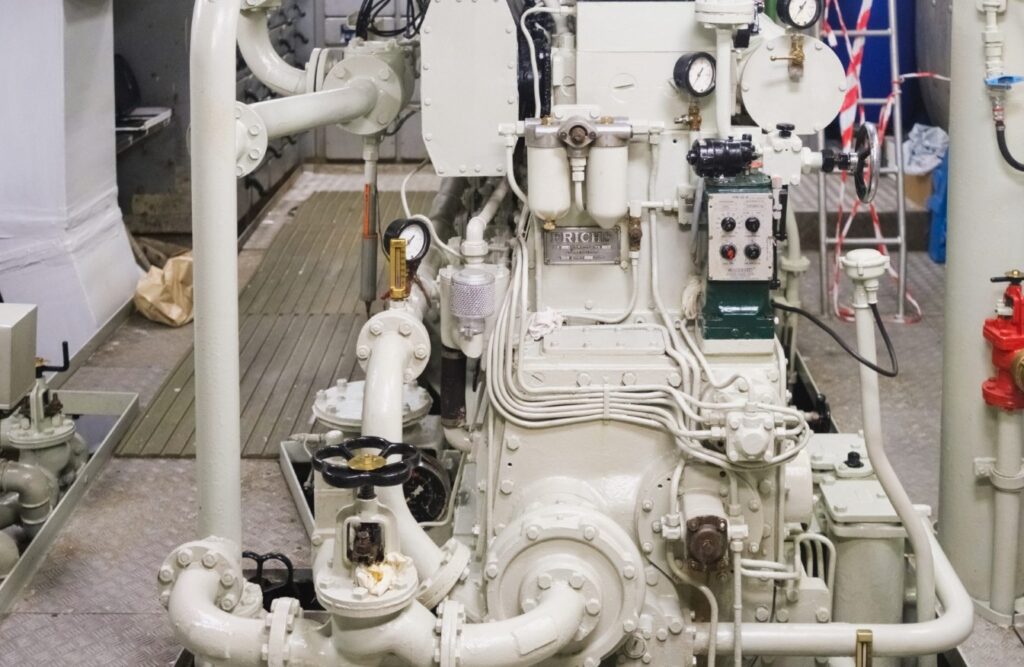
Hidden Leaks Can Cause Secondary Damage
A plumbing leak is not only a water system problem. Moisture can affect nearby materials and equipment.
Depending on where the leak occurs, continued exposure to water may contribute to:
- Damaged cabinetry
- Wet insulation
- Mold growth
- Corrosion
- Softened structural materials
- Damage to nearby electrical components
This is particularly important when plumbing lines run close to electrical wiring or equipment. Finding and correcting the leak early can help limit secondary damage.
Marine Toilets Require a Different Approach
Sanitation systems should be inspected separately from freshwater systems because they use different components and operating principles.
A marine toilet may experience problems involving pumps, valves, sanitation hoses, holding tanks, or connections. Odors and slow flushing can sometimes indicate a developing issue rather than simple normal wear. When these problems appear, professional boat plumbing repair can help identify the source and restore proper system operation.
Because sanitation components are designed specifically for marine applications, repairs should use compatible parts and follow the equipment manufacturer’s recommendations.
Check the System Before Long Trips
Plumbing problems are easier to deal with when the boat is safely at the dock than when they appear during an extended trip.
Before heading offshore or leaving for several days, owners can inspect visible hoses, connections, tanks, pumps, and valves. Running each faucet and shower can also help reveal changes in water pressure or flow.
The system should be checked for leaks after it has built pressure. If the pump continues cycling without an obvious reason, further investigation may be worthwhile before departure.
Addressing problems before a trip can reduce the chance of dealing with an inconvenient plumbing failure away from shore.
Seasonal Inspections Can Prevent Bigger Repairs
Marine plumbing should also be included in regular seasonal maintenance.
At the beginning of the boating season, owners can inspect:
- Freshwater tanks
- Pump operation
- Filters
- Hoses
- Hose clamps
- Valves
- Faucets
- Showers
- Marine toilets
- Holding tank connections
Winter storage should also be considered. Depending on the climate and boat system, proper winterization may require draining water and protecting vulnerable components from freezing conditions.
When DIY Troubleshooting Is Not Enough
Simple maintenance tasks can often be handled by experienced boat owners. However, hidden leaks and complicated water system failures may require more extensive diagnosis.
Professional boat plumbing repair can be useful when the source of a leak cannot be located, pressure problems continue after basic maintenance, or several components appear to be affected.
A technician can inspect the system as a whole rather than focusing only on the most obvious symptom. This can save time and help prevent unnecessary replacement of parts that are still functioning correctly.
Final Thoughts
Marine plumbing systems are easy to overlook until something stops working. Yet small changes in pressure, pump behavior, water flow, or moisture levels can provide valuable early warnings.
Regular inspections help boat owners catch problems before they affect cabinetry, electrical equipment, or other nearby components. When leaks remain hidden or a water system becomes difficult to diagnose, professional boat plumbing repair can help identify the underlying cause and restore reliable operation.
For more useful articles about boat repairs, plumbing, electrical systems, engines, fiberglass, maintenance, and other marine services, you can find them here.


Post Comment