Amazing Upholstery Boat Seat Colors That Transform Marine Interiors
Color can completely change the personality of a boat. A bright, neutral interior may feel calm and open, while deeper shades can create a more dramatic and sophisticated atmosphere. Because seating occupies a large part of many marine interiors, an upholstery boat seat often plays a major role in setting the visual direction. For owners planning a custom update, Boat Upholstery Broward provides professional upholstery for boats and yachts, helping create marine interiors that combine personal style with durable materials.
Table of Contents
Color Creates the First Impression
Passengers often notice color before they notice individual details.
The shades used across seating can influence whether an interior feels spacious, energetic, relaxed, or luxurious. This makes color selection an important decision during any restoration project.
Light tones can reflect more sunlight and create an open appearance. Darker colors can add visual weight and make certain design elements stand out.
The best choice depends on the vessel, the available natural light, and the atmosphere the owner wants to create.
Neutral Shades Remain a Timeless Choice
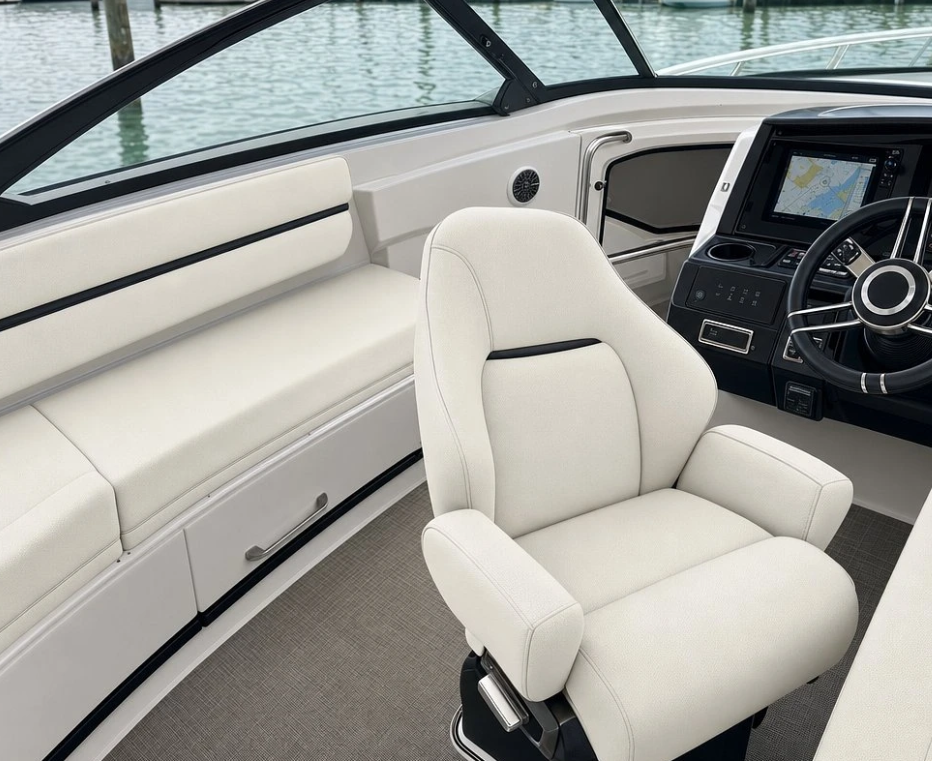
White, cream, beige, and soft gray continue to appear in many marine interiors.
These colors work particularly well with coastal surroundings and can create a clean, relaxed atmosphere. Neutral seating also offers flexibility when owners want to change accent colors later.
A neutral upholstery boat seat can be paired with:
- Navy accents
- Gray piping
- Blue stitching
- Sand-colored panels
- Darker side sections
This approach allows the interior to remain visually interesting without becoming overly busy.
Contrast Adds Modern Energy
A single color can create a clean look, but contrast can add personality.
Two-tone seating has become a popular way to define cushion shapes and introduce more depth. A lighter central panel combined with darker borders can create a sharper, more contemporary appearance.
Contrasting elements may include:
- Piping
- Stitching
- Side panels
- Seat backs
- Accent cushions
Small areas of contrast can often produce a stronger result than covering the entire interior in bold colors.
Dark Colors Create a Strong Visual Statement
Navy, charcoal, and deep gray can give a boat interior a more dramatic appearance.
These shades can also work well in areas where owners want to create visual definition. However, darker materials may absorb more heat when exposed directly to sunlight.
For this reason, placement matters.
An upholstery boat seat in a covered cabin may offer more freedom for deep colors, while open cockpit seating may benefit from lighter shades that remain more comfortable under strong sunlight.
Coastal Colors Connect the Interior to the Water
Many boat owners choose colors inspired by the surrounding environment.
Blues, aqua tones, sand shades, and soft grays can create a natural connection between the vessel and the water. These colors often work especially well for owners who prefer a relaxed coastal style.
The goal does not have to be an obvious nautical theme. Subtle color choices can create the same connection in a more sophisticated way.
Color Can Highlight Custom Details
The upholstery itself is not the only place where color matters.
Contrasting thread can emphasize decorative stitching, while piping can outline the shape of cushions. Custom embroidery can also introduce a personal accent.
Popular details include:
- White stitching on darker vinyl
- Dark piping around light cushions
- Coordinated embroidery
- Two-tone panel combinations
- Matching accent cushions
These features can give an upholstery boat seat a more tailored appearance.
Materials Can Change How Color Looks
The same color can look completely different depending on the material.
A smooth surface may reflect light differently from a textured finish. Matte materials can create a softer appearance, while subtle grain patterns may add visual depth.
For this reason, owners should consider texture and finish alongside the color itself.
Testing material samples in the boat’s natural lighting can provide a better idea of how the finished interior will look during actual use.
Balance Matters More Than Following Trends
Popular colors change over time, but a balanced design can remain attractive for years.
A successful marine interior usually includes a clear visual direction rather than too many competing colors. One primary shade combined with one or two accents can create a cohesive result.
An upholstery boat seat should also work with other features, including flooring, panels, cabinetry, and exterior details.
When every element feels connected, the interior can appear more refined.
Maintenance Helps Preserve Color
Sunlight, salt, and frequent use can gradually affect the appearance of marine materials.
Regular cleaning can remove residue before it builds up, while covers can reduce unnecessary UV exposure when the boat is not in use.
Owners should make time to:
- Remove salt after outings
- Clean sunscreen and spills promptly
- Dry wet cushions
- Use appropriate marine cleaning products
- Cover exposed seating during storage
These habits can help colors remain more consistent over time.
Final Thoughts
Color is one of the most powerful tools in marine interior design. It can make a space feel brighter, more dramatic, more relaxing, or more personal without requiring major changes to the boat.
An upholstery boat seat provides an ideal opportunity to introduce a new palette, subtle contrast, and custom details. By considering color alongside texture, comfort, sunlight exposure, and long-term maintenance, owners can create a marine interior that looks distinctive and remains enjoyable for many seasons.
More interesting articles you can explore here.

Post Comment